
Fort Worth Water Utilities rates have increased steadily over the past several years, and many Tarrant County homeowners are feeling it on their monthly statements. Lowering your water bill starts with understanding what is actually driving it. In many cases, a plumbing problem is quietly running up the cost, and you will not find it without knowing where to look.
This guide covers the most common reasons water bills run high in Fort Worth homes, how to identify each problem, and the plumbing upgrades that deliver the biggest long-term savings.
Why Is Your Water Bill So High? 6 Common Causes in Fort Worth
Before making any changes, identify what is actually driving your bill. These are the most frequent culprits in Fort Worth and Tarrant County homes.
1. A Running Toilet
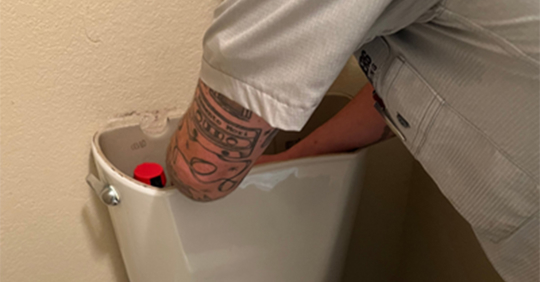
Running toilets are the single most common cause of unexpectedly high water bills, and most homeowners do not notice them until they check their statement. A toilet with a faulty flapper, fill valve, or float can silently waste between 200 and 7,000 gallons per day depending on severity. That is hundreds of dollars per month from a problem you may not hear at all.
How to check: Add a few drops of food coloring to the toilet tank. If color appears in the bowl within 15 minutes without flushing, your flapper is leaking and needs replacing.
2. Dripping Faucets and Leaking Fixtures
A faucet dripping once per second wastes more than 3,000 gallons per year. Multiply that across multiple fixtures and the number climbs fast. Worn washers, deteriorated seals, and corroded valve seats are the usual causes. In Fort Worth's hard water environment, mineral buildup accelerates wear on faucet internals, making fixture leaks more common here than in softer water regions.
How to fix it: Replace worn washers and seals. For older or corroded fixtures that cannot be repaired, a new installation is the more cost-effective long-term choice.
3. A Hidden or Underground Leak
Not all leaks are visible. A leak inside your walls, beneath your slab, or along your main water line can go undetected for months while running up your bill continuously. In Fort Worth, slab leaks are especially common due to the city's expansive clay soil, which shifts with moisture changes and puts constant stress on underground copper and PVC lines.
Warning signs: Unexplained wet spots on floors or walls, warm spots on tile or hardwood floors, the sound of running water when nothing is on, soggy patches in your lawn, or a water meter that keeps moving after all fixtures are shut off.
How to fix it: Professional leak detection uses acoustic and thermal technology to locate leaks without tearing open walls or floors. If you suspect a hidden leak, do not wait. Every day adds to the bill and the damage.
Fort Worth Water Utilities Leak Adjustment Program If a hidden leak caused a sudden spike in your bill, Fort Worth Water Utilities offers a leak adjustment credit for qualifying repairs. You must have the leak professionally repaired and provide documentation. Molberg Plumbing can provide the written repair assessment you need to file. Call (817) 476-9963 to schedule. |
4. Outdated or Inefficient Appliances
Older dishwashers and washing machines use significantly more water per cycle than modern Energy Star-certified models. A standard washing machine manufactured before 2005 can use 40 or more gallons per load. A current Energy Star washer uses 14 gallons or less for the same load. Over dozens of cycles per month, that gap adds up on your water bill and your energy bill.
How to fix it: Upgrading to Energy Star-certified appliances reduces per-cycle water consumption by 30 to 50 percent. Many utility providers and the federal government offer rebates on qualifying purchases that offset the upfront cost.
5. Hard Water Scale Reducing Appliance Efficiency
This one is specific to Fort Worth. The city's water supply exceeds 200 mg/L of hardness, which is classified as very hard. Over time, calcium and magnesium deposits accumulate inside water heaters, dishwashers, and washing machines, forcing them to work harder to achieve the same output. A water heater coated in scale uses more energy to heat water to the same temperature, driving up both your water and utility bills.
How to fix it: Annual descaling of tankless water heaters and flushing of tank units helps manage buildup. The most effective long-term solution is a whole-home water softener, which reduces mineral load across every water-using appliance and fixture in the home.
6. Outdoor and Irrigation Water Use
Fort Worth summers are long and consistently hot. Outdoor watering for lawns, gardens, and landscaping can account for 30 percent or more of a household's total water use during peak summer months. An irrigation system with a stuck valve, a broken sprinkler head, or an outdated watering schedule can waste thousands of gallons per week without drawing any attention.
How to fix it: Inspect irrigation heads and valves seasonally. Water during early morning hours to reduce evaporation loss. Consider a smart irrigation controller that adjusts watering schedules based on local weather and soil conditions. If you suspect an irrigation leak, a plumber can test the system and locate the source.
How to Lower Your Water Bill in Fort Worth: Smart Plumbing Upgrades
1. Schedule a Professional Leak Inspection
Many of the highest water bills we see have nothing to do with lifestyle changes. They trace back to small leaks that go unnoticed for months.
The EPA estimates that household leaks waste nearly 10,000 gallons of water per year. In North Texas, shifting clay soil and extreme heat cycles place added stress on underground pipes and slab foundations. Even a minor crack in a line beneath the home can create a steady, hidden loss that quietly drives up monthly charges.
A professional plumbing inspection goes beyond checking visible fixtures. A licensed plumber can pressure-test the system, inspect exposed piping, evaluate the water heater, and check toilets, hose bibs, and irrigation tie-ins for subtle but continuous flow. In some cases, advanced leak detection equipment pinpoints underground issues without tearing up flooring or landscaping.
2. Install a Smart Irrigation Controller
Outdoor watering often represents the largest portion of residential water use, especially from late spring through early fall. Clay-heavy soils, intense summer heat, and periodic drought conditions create a challenging environment for lawns and landscaping.
A smart irrigation controller adjusts watering schedules based on local weather data, rainfall, and soil moisture conditions. A smart controller prevents watering during or immediately after rain and fine-tunes run times so sprinklers do not oversaturate the soil.
For homeowners with larger lots or elaborate landscaping, this single upgrade can produce some of the most significant annual savings.
3. Replace Aging Water Heaters with High-Efficiency Models
Water heating accounts for a substantial portion of a home’s energy bill, and it also affects water usage. Older tank water heaters often lose efficiency over time due to sediment buildup, which is common in areas with mineral-heavy water.
Fort Worth water contains naturally occurring minerals such as calcium and magnesium. Over time, sediment accumulates in traditional tank heaters, forcing the unit to work harder and sometimes encouraging longer shower times while waiting for consistent hot water.
High-efficiency tank water heaters and tankless systems reduce standby heat loss and deliver hot water more effectively. Tankless units heat water on demand, which eliminates the need to maintain a large volume of stored hot water.
Homeowners who switch to ENERGY STAR certified water heaters may qualify for rebates or federal tax incentives, depending on the model and current programs. Reduced energy consumption lowers utility bills, and efficient performance shortens the time spent running taps while waiting for hot water.
4. Convert to Pressure-Regulating Valves
Many homes in North Texas experience high municipal water pressure. While strong pressure may feel convenient in the shower, it places stress on pipes, fixtures, and appliances. It also increases the volume of water flowing through faucets and showerheads.
A pressure-regulating valve, or PRV, reduces incoming water pressure to a safer, more efficient level. The recommended residential water pressure typically falls between 50 and 70 psi. When pressure exceeds that range, water flows faster than necessary, which increases overall consumption.
By stabilizing water pressure, a PRV extends the life of plumbing components and reduces unnecessary water use. Over time, lower flow rates contribute to lower monthly bills and fewer plumbing repairs.
5. Install a Water Softener to Improve Appliance Efficiency
Fort Worth’s water hardness varies by neighborhood, but many areas experience moderate to hard water conditions. Hard water leaves scale buildup inside pipes, water heaters, dishwashers, and washing machines.
Scale reduces efficiency by restricting flow and insulating heating elements. As a result, appliances consume more energy and sometimes require additional water to achieve the same results.
A properly sized water softener reduces mineral buildup, which helps water heaters operate efficiently and extends the lifespan of plumbing fixtures. Softer water also improves soap performance, which can lead to shorter wash cycles and reduced detergent use.
Homeowners who invest in water softening often notice long-term savings in appliance maintenance, energy costs, and plumbing repairs.
6. Replace Old Supply Lines & Fixtures
Kitchen and bathroom renovations present an opportunity to upgrade hidden plumbing components. Older supply lines, shutoff valves, and connectors may not leak visibly but can restrict flow or develop slow drips.
When remodeling in 2026, homeowners should consider replacing outdated plumbing hardware with modern, corrosion-resistant materials. PEX piping, for example, resists scale buildup and performs well in fluctuating temperatures.
Upgrading during a renovation reduces labor overlap and ensures that new fixtures operate at peak efficiency. Over time, improved flow dynamics and reduced risk of small leaks contribute to lower water usage.
A Practical Path to Lower Bills in 2026
Lowering your water bill does not require a full home overhaul. Many Fort Worth homeowners see meaningful savings by combining two or three strategic upgrades, such as installing new fixtures, adding a smart irrigation controller, and addressing hidden leaks.
Water efficiency also supports broader sustainability goals in a region that periodically faces drought and water conservation measures. Every gallon saved reduces strain on local water supplies and infrastructure
Frequently Asked Questions: Water Bills in Fort Worth
Why is my water bill so high in Fort Worth?
The most common causes in Fort Worth are running toilets, dripping faucets, hidden slab leaks, outdated appliances, hard water scale reducing efficiency, and excessive outdoor irrigation during summer months. If your bill spiked suddenly without a change in your habits, a hidden leak is the most likely cause and should be investigated with professional leak detection.
How do I know if I have a hidden water leak?
Shut off all water in your home and watch your water meter for 30 minutes. If the dial moves, you have an active leak somewhere in the system. Other signs include unexplained wet spots on floors or walls, warm spots on tile, the sound of running water with fixtures off, a soggy lawn with no recent rain, and a water bill that keeps climbing despite no change in usage.
Can a running toilet really raise my water bill?
Yes, significantly. A running toilet can waste between 200 and 7,000 gallons per day depending on the severity of the internal leak. At Fort Worth water rates, that translates to tens or hundreds of dollars per month in added cost. The fix is typically inexpensive: a flapper replacement or fill valve repair that most plumbers can complete in under an hour.
Does Fort Worth Water Utilities offer a leak adjustment credit?
Yes. Fort Worth Water Utilities offers a leak adjustment program for qualifying customers who experience a bill spike caused by a hidden leak. To qualify, the leak must be professionally repaired and documented. Molberg Plumbing can provide the written repair assessment needed to support your adjustment request. Call (817) 476-9963 for more information.
How much water does a dripping faucet waste?
A faucet dripping once per second wastes more than 3,000 gallons per year. A faster drip or a leaking fixture connection can waste significantly more. In Fort Worth's hard water environment, faucet washers and seals wear faster than in softer water regions, making regular fixture inspections a worthwhile habit.
Will a water softener lower my water bill?
Indirectly, yes. A whole-home water softener reduces mineral scale buildup in water heaters, dishwashers, and washing machines, allowing them to operate at full efficiency. Appliances running at peak efficiency use less energy and water per cycle. In Fort Worth, where water hardness consistently exceeds 200 mg/L, a softener pays for itself over time through reduced appliance wear, lower energy costs, and less detergent usage.
What is the average water bill in Fort Worth?
Average residential water bills in Fort Worth vary based on household size, usage, and season. Most single-family homes in Tarrant County pay between $50 and $120 per month under normal usage conditions. Bills often climb during summer months due to outdoor irrigation. If your bill is consistently above that range without seasonal explanation, a plumbing issue is worth investigating.
How can I quickly lower my water bill?
The fastest wins are fixing any running toilets or dripping faucets, checking for hidden leaks with a meter test, shortening showers, and adjusting irrigation schedules. Longer-term upgrades that pay off consistently include low-flow fixture replacements, a tankless water heater, and a whole-home water softener. Molberg Plumbing can assess your home and identify the highest-impact opportunities in a single visit.
If your monthly bill has been creeping upward, a plumbing efficiency assessment can identify where water is being lost and which upgrades will provide the strongest return. Our team can help evaluate your home’s water usage patterns, inspect current plumbing systems, and recommend targeted improvements based on actual need. Contact us online or call (817) 476-9963 today.