
If you live in Fort Worth, hard water is not a maybe. It is a reality. The Trinity River Basin, which supplies much of Tarrant County's water, is naturally high in calcium and magnesium minerals. Those minerals do not just make your water taste different. They quietly cause damage to your pipes, water heater, and appliances over time. Knowing the signs of hard water early gives you the chance to protect your home before costly repairs become necessary.
Common Signs You Have Hard Water
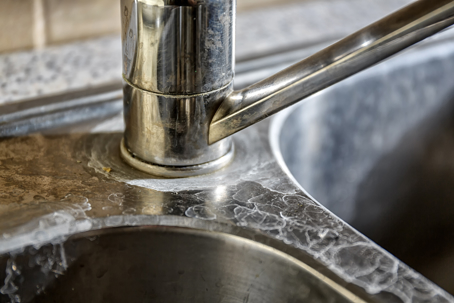
Spotty dishes and cloudy glassware coming out of the dishwasher are one of the first things homeowners notice. White or yellowish buildup around faucets, showerheads, and drain openings is another telltale sign. That residue is limescale, a direct result of mineral deposits left behind as water evaporates.
You may also notice your skin feeling dry or itchy after showering, your hair looking dull, or soap and shampoo not lathering the way they should. Hard water reduces the effectiveness of soap and detergents because the minerals interfere with the cleaning process.
Here is a full checklist of common hard water signs in Fort Worth homes:
White or yellow crust around faucets, showerheads, and drain openings
Cloudy or spotted dishes and glassware after the dishwasher runs
Soap scum buildup on shower walls, tubs, and glass doors
Dry, itchy skin or dull hair after bathing
Soap and shampoo that will not lather properly
Laundry that feels stiff or looks faded after washing
Reduced water pressure from clogged showerheads or aerators
White film or residue on tile, fixtures, and countertops near the sink
How Hard Water Damages Your Plumbing Over Time
The visible signs are frustrating. The invisible ones are more expensive. Mineral buildup inside your pipes restricts water flow gradually, which increases pressure and puts stress on joints and fixtures. Water heaters are especially vulnerable. When hard water minerals accumulate inside a tank, the heater works harder and uses more energy to reach the same temperature. That means higher utility bills and a shorter equipment lifespan.
Appliances like dishwashers and washing machines suffer the same fate. Most manufacturers note that hard water can cut appliance life by 30 to 50 percent. In Fort Worth, where mineral levels are consistently high, this is not a theoretical risk. It is a common and preventable outcome.
Hard water also affects your plumbing fixtures directly. Mineral deposits accumulate inside faucet aerators and showerhead nozzles, reducing flow and requiring more frequent replacement. Over time, scale buildup inside supply lines can restrict flow enough to noticeably reduce water pressure throughout the home.
Does Fort Worth Have Hard Water?
Yes, and it is among the harder water supplies in North Texas. Water sourced from the Trinity River Basin carries elevated levels of calcium and magnesium. The hardness level of Fort Worth's water supply regularly exceeds 200 mg/L, which is classified as very hard by EPA standards.
That is why water softener installation has become a standard part of new construction plumbing throughout Tarrant County. If your home was built before soft water systems became common practice, or if you moved into an older property, there is a good chance your plumbing has been absorbing hard water for years without any treatment.
Frequently Asked Questions: Hard Water in Fort Worth
What are the signs of hard water in your home?
The most common signs are white or yellow mineral deposits around faucets and showerheads, cloudy glassware after the dishwasher runs, soap scum on shower walls, dry skin and dull hair after bathing, laundry that feels stiff, and reduced water pressure from clogged aerators or showerhead nozzles. If you are seeing two or more of these in your Fort Worth home, hard water is almost certainly the cause.
Does Fort Worth have hard water?
Yes. Fort Worth's water supply, sourced from the Trinity River Basin, regularly exceeds 200 mg/L of calcium and magnesium hardness. That puts it in the very hard classification by EPA standards and makes it one of the harder water supplies in the North Texas region.
How does hard water damage pipes and appliances?
Mineral scale accumulates inside pipes, water heaters, dishwashers, and washing machines over time. In pipes, scale restricts flow and increases pressure on joints and fittings. In water heaters, a layer of scale forces the unit to work harder to heat water, reducing efficiency and shortening lifespan. Most appliance manufacturers note that hard water can reduce equipment life by 30 to 50 percent. In Fort Worth's consistently hard water conditions, this wear happens faster than in softer water regions.
What is the white buildup on my faucets and showerheads?
That white or yellowish crust is limescale, a deposit of calcium and magnesium left behind when hard water evaporates. It builds up on any surface where water regularly sits or drips, including faucet bases, showerhead nozzles, drain openings, and tile grout. Limescale is cosmetically unpleasant and, when it builds up inside fixtures, reduces water flow and forces earlier replacement.
Can hard water affect my skin and hair?
Yes. Hard water minerals interfere with the way soap and shampoo lather and rinse. This leaves a film on skin and hair, which many people notice as dryness, itchiness, or a dull appearance. It also means more product is needed to achieve the same result, which adds cost over time. Softened water eliminates this issue and noticeably improves the bathing experience.
What is the best solution for hard water in Fort Worth?
A whole-home water softener is the most effective and permanent solution. It removes calcium and magnesium from the water supply before it reaches your pipes, fixtures, and appliances. This eliminates limescale buildup, extends the life of your water heater and appliances, improves lathering and cleaning performance, and protects your plumbing system over the long term. Molberg Plumbing installs and services water softener systems throughout Fort Worth and Tarrant County.
Do I need a water softener if I have city water in Fort Worth?
Yes, city water in Fort Worth is still very hard. Municipal treatment removes bacteria and contaminants but does not reduce mineral hardness. The calcium and magnesium that cause scale, appliance wear, and skin dryness come through the city supply unchanged. A water softener installed at your home's main line addresses hardness before it reaches any fixture or appliance in the house.
How often should a water softener be serviced in Fort Worth?
Most water softeners need salt replenishment every four to eight weeks depending on household size and usage. An annual professional inspection ensures the system is regenerating correctly, the resin bed is functioning, and the settings are calibrated for current water conditions. In Fort Worth's high-hardness environment, keeping up with softener maintenance is especially important to maintain full protection.
When to Call a Professional
If you are seeing limescale buildup on fixtures, noticing a drop in water pressure, or dealing with appliances that are underperforming or failing earlier than expected, it is time to have a professional assess your water quality. A water softener system addresses the problem at the source, removing the minerals before they ever reach your pipes, fixtures, or appliances.
Molberg Plumbing offers water analysis and free estimates for homeowners throughout Fort Worth and Tarrant County. Our team will walk you through your options and recommend the right solution for your home's size and water usage.
Protect Your Fort Worth Home from Hard Water Hard water problems do not fix themselves. Call Molberg Plumbing at (817) 476-9963 or schedule online at molbergplumbing.com to get your free water analysis today. We install and service whole-home water softener systems throughout Fort Worth and Tarrant County. Same-day appointments available. |